Exactly How Factory Provider Enhance Manufacturing Efficiency and High Quality in Industrial Applications
Foundry services play an important duty in improving manufacturing effectiveness and quality across various commercial applications. By applying sophisticated steel spreading techniques, these services ensure components are manufactured with accuracy and uniformity. This not just minimizes preparations but likewise minimizes waste, promoting better collaboration in between foundries and manufacturers. The influence of premium elements on functional performance increases essential questions about the future of industrial manufacturing. What advancements exist ahead in this developing landscape?
The Function of Foundry Providers in Streamlining Production Processes
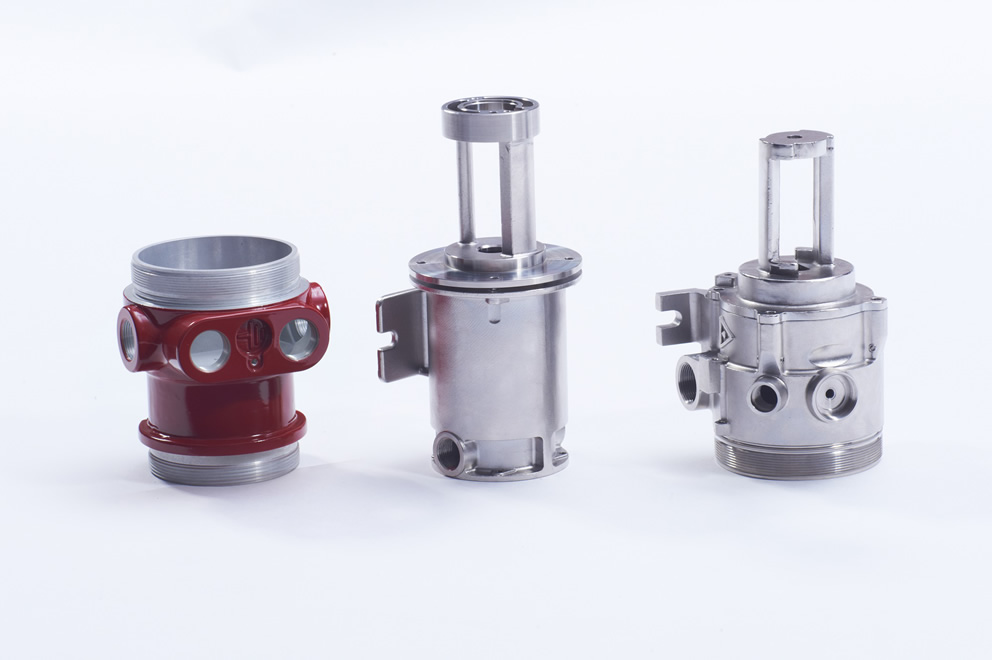
In addition, shops usually offer expertise in alloy development, allowing suppliers to utilize innovative products that enhance product efficiency. The collaboration in between shops and makers promotes a much better understanding of production demands, causing enhanced procedures and enhanced item styles. By leveraging factory services, manufacturers can attain greater flexibility, adapt to changing market demands, and preserve competitiveness in the sector. Generally, the function of factory services is vital in assisting in a more cost-efficient and efficient manufacturing landscape.
Advanced Technologies in Factory Workflow
Innovative modern technologies are changing shop operations, markedly boosting productivity and accuracy. Automation plays a necessary function, with robotic systems streamlining recurring tasks such as molding and material handling. Furthermore, innovations in computer-aided design (CAD) and computer-aided production (CAM) systems make it possible for foundries to create complex geometries with higher precision and decreased material waste.
Additionally, the integration of artificial knowledge (AI) and maker understanding boosts quality assurance by monitoring procedures in real-time and anticipating prospective issues prior to they happen. Using advanced products, such as light-weight alloys and compounds, even more enhances the efficiency characteristics of cast products.
3D printing technology is reinventing prototyping and tooling, allowing for fast customization and decreased lead times. Collectively, these sophisticated modern technologies not only raise manufacturing efficiency yet additionally guarantee that the end products fulfill strict top quality requirements, placing factories at the forefront of modern industrial applications.
Minimizing Lead Times Through Efficient Factory Practices
Effective factory techniques play an essential function in reducing lead times within production settings. By applying streamlined production processes and advanced scheduling methods, suppliers can boost operations and enhance source allowance. These improvements not just accelerate result yet likewise add to overall operational performance.
Structured Production Procedures
Streamlining production procedures is important for decreasing preparations in the manufacturing sector. Reliable shop methods, including maximized operations and source administration, play an important role in achieving this goal. By decreasing waste and boosting interaction amongst groups, foundries can substantially enhance their operational efficiency. The implementation of standardized treatments additionally adds to regular top quality and faster turnaround times, making it possible for producers to respond more promptly to market needs. Additionally, the integration of innovative innovations, such as automation and real-time surveillance systems, helps in identifying bottlenecks and helping with prompt interventions. Generally, a concentrate on streamlined production procedures not only speeds up preparations yet additionally boosts the general competitiveness of industrial applications, making sure that products satisfy customer expectations successfully.
Advanced Scheduling Techniques
Reliable production processes naturally lead manufacturers to explore sophisticated scheduling methods as a method to even more reduce preparations. By utilizing innovative formulas and software application, foundries can optimize process, aligning manufacturing routines with need forecasts and resource availability. Strategies such as Just-In-Time (JIT) organizing lessen supply costs while ensuring prompt product distribution, thereby improving operational effectiveness. In addition, incorporating real-time information analytics permits foundries to prepare for possible hold-ups and change timetables proactively. This adaptability not just simplifies procedures yet additionally improves general performance. Moreover, collective preparation with consumers and providers can foster a much more integrated supply chain, more decreasing preparations. Ultimately, these advanced scheduling methods empower shops to achieve greater efficiency and premium quality in their production processes.
Ensuring Accuracy and Quality in Metal Casting
Ensuring accuracy and quality in steel casting needs a careful approach that includes every phase of the manufacturing process. This procedure begins with careful design and design of the molds, ensuring they can hold up against the liquified steel's temperature level and stress. The selection of high-quality basic materials is essential, as contaminations can endanger the end product.
As soon as the products are prepared, specific temperature control during melting and pouring is basic to attain the desired residential properties in the cast metal. Monitoring solidification and cooling rates more assurances dimensional accuracy and surface coating.
Quality control practices, such as non-destructive testing and inspection, are important to address recognizing defects early in the procedure. aluminum casting. Additionally, utilizing proficient employees who understand the subtleties of steel spreading adds considerably to maintaining high requirements. In general, these techniques collectively boost the integrity and performance of actors parts in numerous commercial applications
Decreasing Waste and Maximizing Source Usage
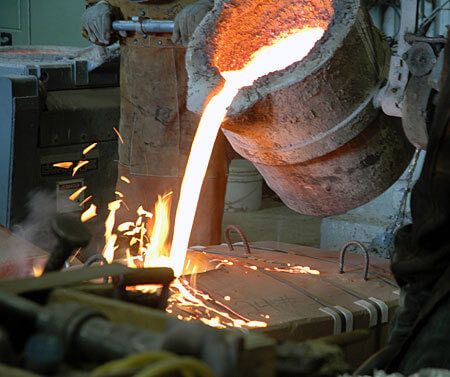
In addition, recycling scrap steel within the shop itself can considerably lower waste, changing byproducts into functional resources. Lean manufacturing concepts likewise add to squander decrease by improving processes and getting rid of unneeded steps, causing more reliable operations.
Normal maintenance of tools guarantees peak efficiency, preventing malfunctions that can result in thrown away materials. By concentrating on these strategies, shops not only decrease costs but additionally add to sustainable methods, aligning with the expanding need for ecologically accountable manufacturing methods in industrial applications.
The Competitive Benefit of High-Quality Elements in the marketplace
Top notch components supply a significant competitive benefit in the factory market, where accuracy and longevity are paramount. Suppliers that focus on remarkable products and workmanship can boost item performance and reliability, leading to enhanced consumer fulfillment. This advantage is particularly obvious in industries such as vehicle and aerospace, where element failing can have disastrous effects.
In addition, premium components frequently result in reduced upkeep expenses and prolonged item life-spans, which can be enticing marketing factors for possible customers. As market demands expand for effective and lasting innovations, the emphasis on high quality ends up being much more important. Business that buy premium shop solutions not just improve their manufacturing procedures but additionally distinguish themselves from competitors who may sacrifice high quality for expense financial savings. The commitment to premium elements inevitably equates into a more powerful market placement and long-term company success.
Regularly Asked Inquiries
What Types of Materials Do Foundry Services Normally Function With?
Factory services generally deal with steels such as light weight aluminum, iron, steel, and brass, together with various alloys. They also take care of products like ceramics and composites, satisfying diverse industrial requirements and requirements in making processes.
How Do Shop Provider Effect Overall Supply Chain Management?
Factory services greatly boost supply chain administration by enhancing product sourcing, reducing preparations, and making sure constant top quality. Their capability to give customized solutions cultivates collaboration among stakeholders, eventually boosting total operational effectiveness and responsiveness in production.
What Industries Advantage A Lot Of From Shop Services?
Industries such as automotive, customer, building and construction, and aerospace items considerably take advantage of factory solutions. These markets count on precision spreadings to fulfill strict quality criteria and enhance their general production processes and item performance.
Are Foundry Providers Eco friendly and lasting?
Factory services can be eco friendly link and lasting, specifically when using advanced modern technologies and processes - aluminum casting. Advancements such as reusing materials, reducing discharges, and maximizing power usage add to lessening their eco-friendly effect in industrial applications
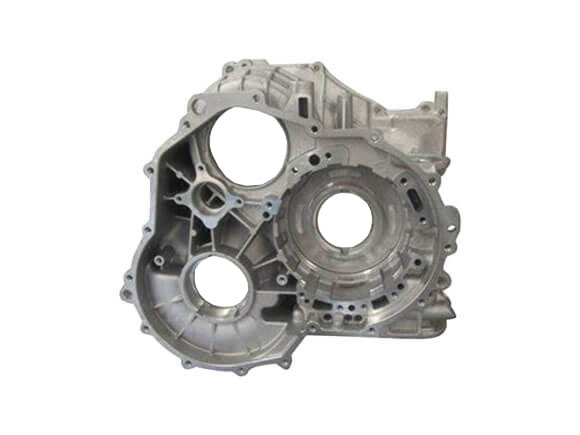
How Can Firms Select the Right Foundry Company?
Companies can choose the appropriate factory company by reviewing proficiency, production capabilities, high quality accreditations, modern technology utilized, customer reviews, and sustainability practices while ensuring alignment with their details job needs and lasting service objectives.
Shop services play a crucial role in enhancing manufacturing performance and quality throughout various industrial applications. The collaboration in between suppliers and foundries promotes a better understanding of manufacturing requirements, leading to optimized procedures and enhanced look at this website item layouts. Reliable foundry practices play an important function in decreasing lead times within production atmospheres. By employing innovative algorithms and software program, factories can optimize operations, aligning production schedules with demand projections and source accessibility. Companies that invest in top quality foundry services not only improve their production processes yet likewise distinguish themselves from competitors who may give up top quality for price savings.